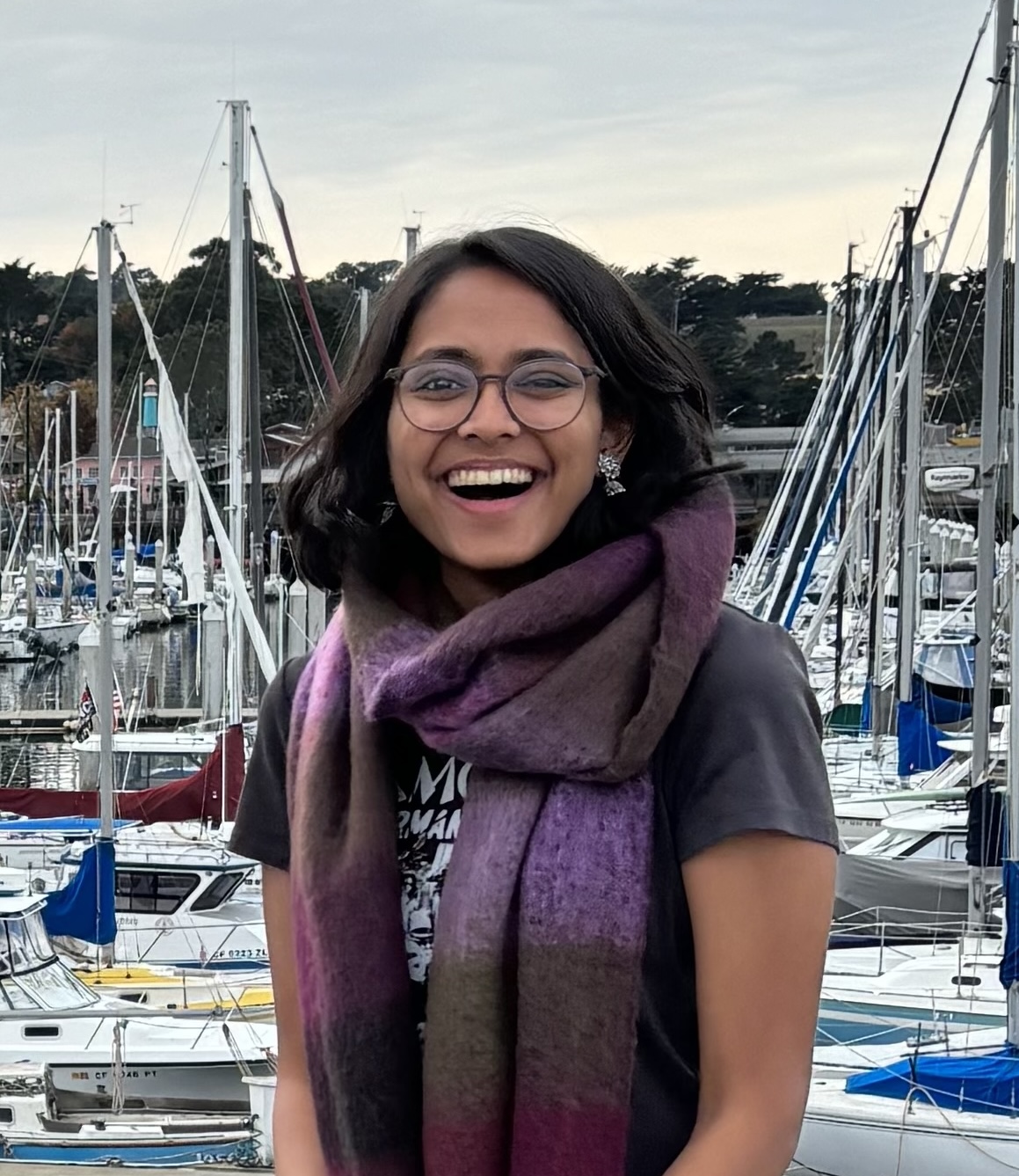
Hi! I'm a CS PhD student at the University of Illinois Urbana Champaign, where I work with Prof. Derek Hoiem and Prof. Saurabh Gupta. I am currently interested in problems in continual learning and reinforcement learning with the goal of sample efficient adaptation of generative control policies for bimanual robots, particularly in self-supervision and self-learning.
Previously, I finished my Masters of Science in Robotics from Carnegie Mellon University. For my thesis research, I worked on continual personalization of human action recognition advised by Prof. Fernando De La Torre and in collaboration with Meta Reality Labs, XR Input Team. I spent summer 2024 building the multi-view camera-LiDAR 3D perception pipeline for the US Department of Transportation, Safe Intersection Challenge with Prof. Srinivasa Narsimhan. I interned at Waymo LLC, Semantics Understanding Team in summer 2025.
In the past, I have had wonderful opportunities working with Prof. Vineeth N Balasubramanian (at CMU and IIIT-Hyderabad), Prof. C V Jawahar (IIIT-Hyderabad), and Prof. Frederic Jurie (UNICAEN, CNRS, in beautiful Normandy, France). I had started my Bachelor's at Delhi College of Engineering, India, working on UAVs and drones as an avionics researcher at UAS-DTU.
[Fall 2026] We're organizing the Robotic Manipulation Seminar at UIUC, come join us if you work in manipulation!
Recent Publications
Fine-Tuning VLAs with Self-Demonstrated Generative Control for Multi-Task Manipulation
arXiv 2026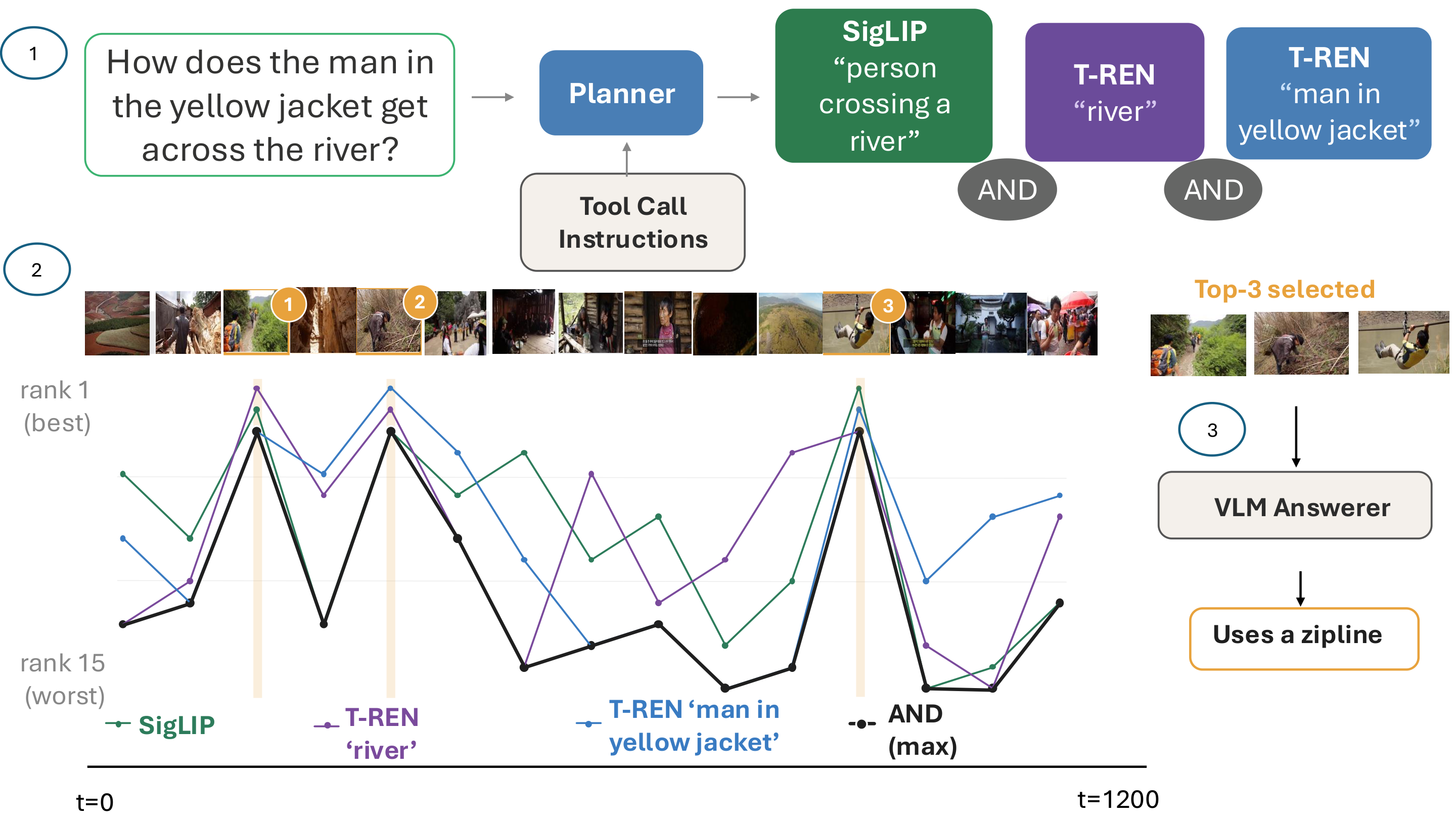
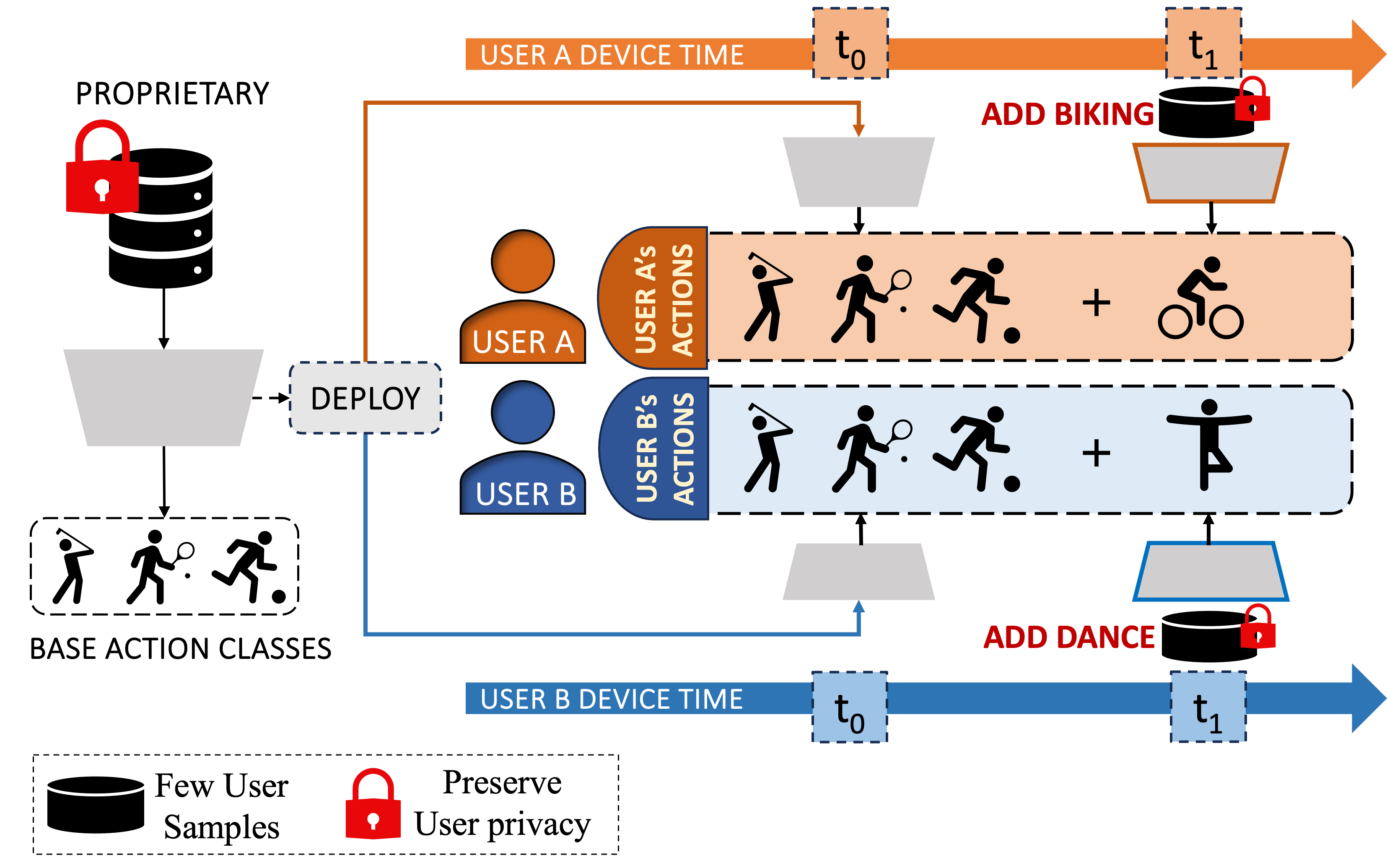
POET: Prompt Offset Tuning for Continual Human Action Adaptation
ECCV 2024, Oral Presentation (2.32%)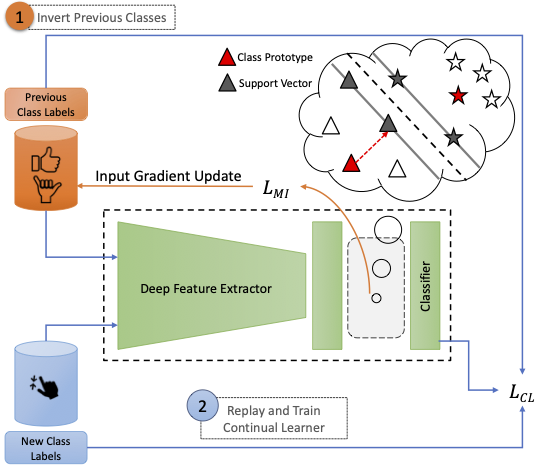
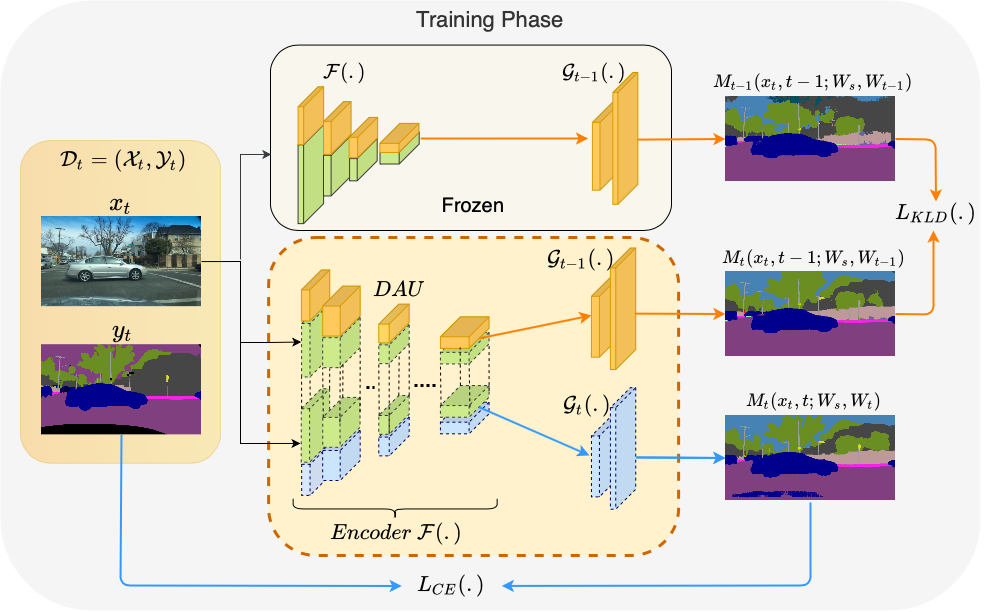
Multi-Domain Incremental Learning for Semantic Segmentation
WACV 2022News
[Jan 2026] Reviewer for CVPR 26, ECCV 26, NeurIPS 26, CoRL 26, IROS Workshops 26.
[Oct 2025] I passed my PhD qualification exam.
[Sep 2025] I had a really exciting summer at Waymo Perception (Mountain View, CA), working on reasoning for Video-LLMs in long-tailed scenarios.
[May 2025] Reviewer for AAAI 2025, CVPR 2025, CoRL 2025. Honoured as an Outstanding Reviewer for CVPR 2025.
[Feb 2025] Gave an invited talk in Prof. Wenzhen Yuan's group.
[Oct 2024] Attending ECCV in Milan, Italy to give an Oral Presentation talk on POET.
[Sep 2024] I had a fun summer working on multi-view camera-LiDAR 3D perception with Prof. Srinivas Narsimhan.
[Aug 2024] I have started my CS Ph.D at UIUC, super excited to work with Prof. Derek Hoiem.
[Jul 2024] My favourite work till date, POET on continually personalizing prompts is accepted to ECCV 2024.
[May 2024] I successfully defended my Masters thesis. Thesis
[Mar 2024] New blog on CMU AI Summer Scholars mentoring experience. Highly recommended.
[Jan 2024] CVPR 2024 Reviewer.
[Nov 2023] Gave a talk on 'Prompt Tuning for Practical Continual Learning' at the Multi-Modal Foundation Models course. [Slides]
[Oct 2023] Presented our work 'Data-Free Class-Incremental Hand Gesture Recognition' at ICCV 2023 in Paris.
[Oct 2023] Our work on 'Continual Few-Shot Learning for Activity Recognition' using lightweight prompt tuning is under review!
[Jul 2023] Project Leader at CMU CS Pathways, AI Scholars Summer Program. My high school mentees built their first CV-ML project! [Slides]
Selected Research Projects
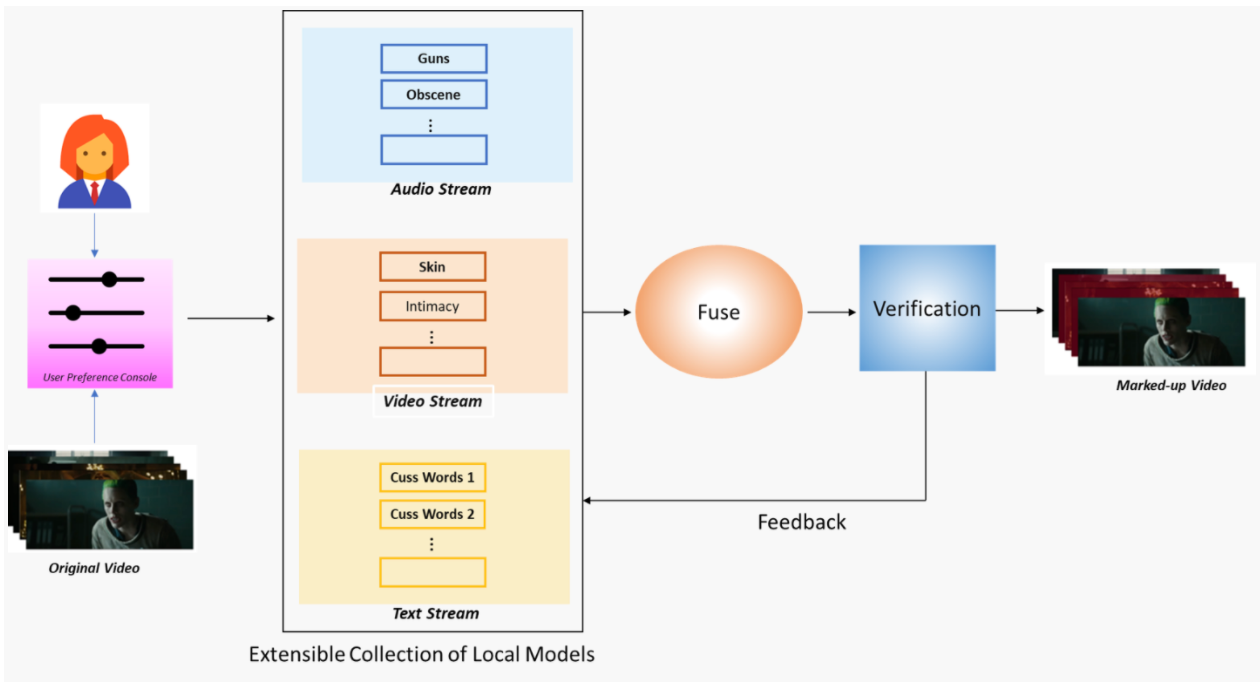
Towards an AI Infused System for Objectionable Content Detection in OTT [IBM Research Laboratory]
With the substantial increase in the consumption of OTT content in recent years, personalized objectionable content detection and filtering has become pertinent for making movie and TV series content suitable for family or children viewing. We propose an objectionable content detection framework which leverages multiple modalities like (i) videos, (ii) subtitle text and (iii) audio to detect (a) violence, (b) explicit NSFW content, and (c) offensive speech in videos.
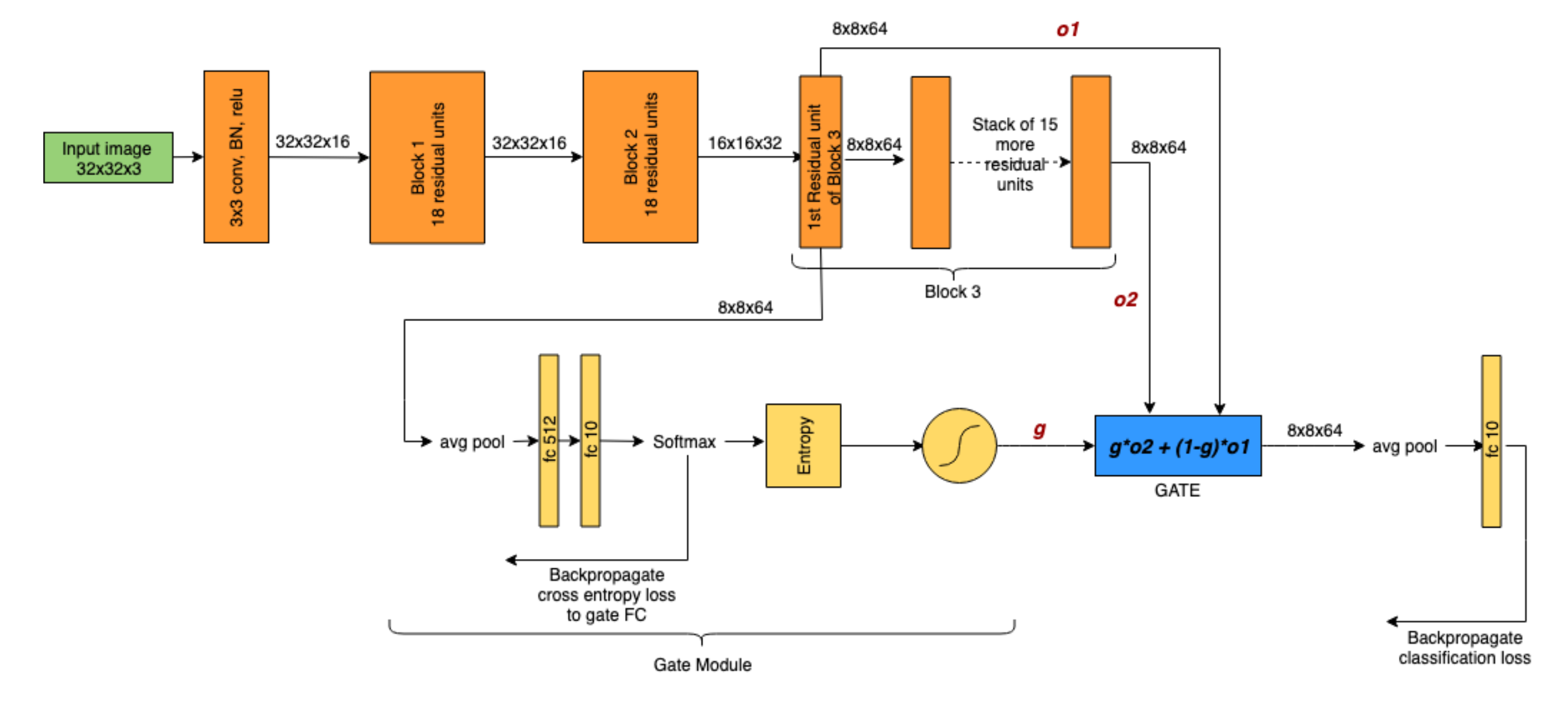
Memorization and Generalization in CNNs using Soft Gating Mechanisms [Image Team GREYC, University of Caen Normandy]
Technical Report / Code / Technical Report, Suboptimal ResNet Gating Mechanisms
A deep neural network learns patterns to hypothesize a large subset of samples that lie in-distribution and it memorises any out-of-distribution samples. While fitting to noise, the generalisation error increases and the DNN performs poorly on test set. In this work, we aim to examine if dedicating different layers to the generalizable and memorizable samples in a DNN could simplify the decision boundary learnt by the network and lead to improved generalization in DNNs. While the initial layers that are common to all examples tend to learn general patterns, we dedicate certain deeper additional layers in the network to memorise the out-of-distribution examples.
Website template from here.